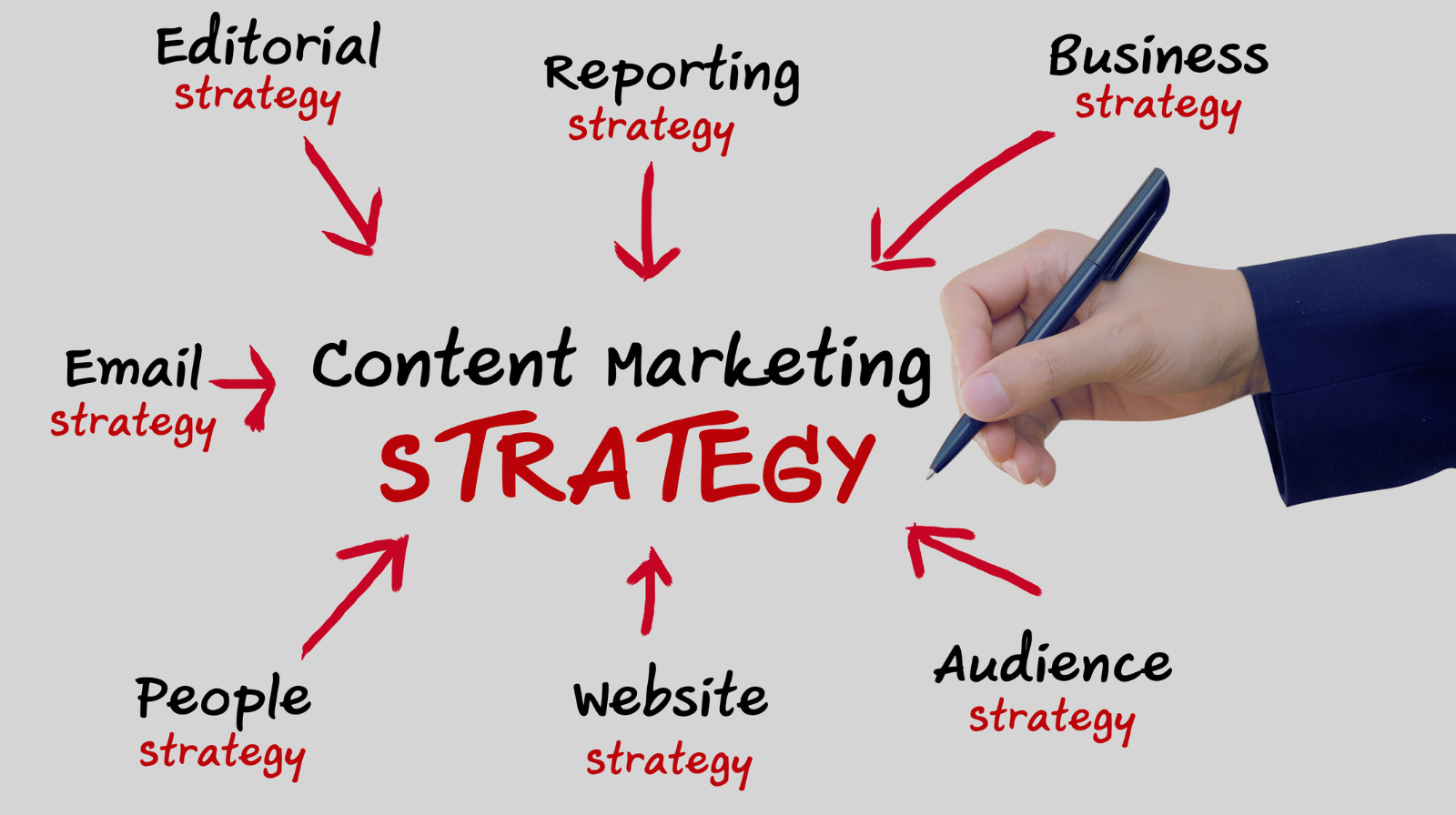

In 2025, understanding the key content marketing benefits for small businesses is crucial for staying competitive in a fast-changing digital world.
Content marketing is the process of creating and sharing valuable, relevant, and consistent content to attract and engage a target audience. Instead of relying on direct advertising, it focuses on building trust, educating customers, and positioning a brand as a reliable authority in its industry.
Today, marketing trends favor authenticity and long-term value. As a result, many small businesses are embracing content marketing as a cost-effective and sustainable growth strategy. It helps them compete with larger brands, boost visibility, and connect with their audience on a deeper level.
By consistently producing quality content, or leveraging professional content creation services to maintain a steady publishing schedule, small businesses can increase traffic, generate leads, and strengthen customer relationships—driving steady growth in 2025 and beyond.
Understanding Content Marketing: Why It’s Essential for Small Business Growth
Content marketing means creating and sharing valuable, relevant, and consistent content to attract and engage a target audience. Instead of using direct promotion, it focuses on educating, informing, and entertaining people.
In doing so, it helps potential customers solve problems and make informed decisions. This process gradually builds trust and credibility, turning one-time visitors into loyal customers.
Unlike traditional marketing, which depends on constant paid advertising, content marketing for small businesses emphasizes long-term growth.
Traditional ads often interrupt audiences and stop working when the budget ends. However, with content marketing, every new post or video keeps attracting traffic, leads, and brand awareness over time.
The importance of content marketing for small businesses is clear. Many small brands have limited budgets and need affordable marketing methods that bring steady results.
Fortunately, content marketing offers an effective solution. It’s cost-efficient, easy to scale, and delivers long-term benefits. Even one high-quality, optimized blog post can continue driving potential customers for months or years, helping small businesses compete confidently in their industries.


10 Powerful Content Marketing Benefits for Small Businesses in 2025
1. Boosts Online Visibility and Brand Awareness
One of the biggest content marketing benefits for small businesses is the power to increase online visibility and brand awareness.
In 2025, digital competition is tougher than ever, and small businesses must stand out on search engines and social media. Creating high-quality content makes this possible by helping your brand appear in search results for topics your audience already cares about.
When a business regularly publishes helpful blog posts, videos, or social updates, it shows relevance and authority to both people and search engines. As a result, organic traffic grows, search rankings improve, and brand recognition becomes stronger over time.
Furthermore, sharing engaging posts across platforms like Facebook, Instagram, LinkedIn, and TikTok helps increase brand awareness through content marketing.
Each article, video, or post becomes a chance for new audiences to discover your brand, understand your values, and trust your expertise. With consistent effort, your content builds a recognizable presence — even without a big advertising budget.
2. Improves SEO and Organic Traffic
Another major advantage of content marketing is its ability to boost search rankings and drive consistent organic traffic.
When small businesses publish optimized blog posts, videos, and guides, Google starts to recognize their websites as valuable sources of information. By including relevant keywords naturally, you improve your chances of ranking higher for the search terms your audience uses most.
In addition, backlinks from trusted websites and online mentions increase domain authority, showing search engines that your content is credible.
Demonstrating E-E-A-T — Experience, Expertise, Authoritativeness, and Trust — also strengthens your position in search results.
Ultimately, this is how content marketing improves SEO. It builds a strong foundation for visibility, credibility, and long-term traffic growth. Over time, these efforts help small businesses attract more qualified visitors without relying heavily on paid ads.
3. Builds Trust and Brand Authority
A well-crafted content strategy does more than share information — it builds trust with the target audience. When a small business consistently publishes helpful and educational content, it naturally positions itself as an expert in its field. This sense of authority gives potential customers confidence in choosing that brand over others.
In addition, different content formats — from blog tutorials to social media insights — help show transparency and reliability. Over time, this consistent value builds your reputation as a trusted voice in your niche.
As a result, people are more likely to return, recommend your brand, and make a purchase. Trust is the foundation of every successful small business, and content marketing helps you earn it in an authentic, lasting way.

4. Generates High-Quality Leads
Effective content marketing lead generation focuses on attracting people genuinely interested in your products or services. When potential customers engage with your content — such as ebooks, newsletters, or case studies — they willingly share their contact information in exchange for value.
These interactions help you identify qualified leads who are already warmed up and ready to learn more about what you offer.
Compared to cold outreach, leads generated through valuable content are more likely to convert because they already trust your brand and understand your expertise.
5. Supports Social Media and Email Marketing Efforts
Content marketing serves as the backbone of other digital channels like social media and email marketing. A single high-quality blog post can be repurposed into multiple social media updates, infographics, or newsletter topics, saving time and maintaining brand consistency and engagement across platforms.
This approach ensures that your messaging remains aligned and cohesive, while also allowing you to reach different audience segments.
By integrating your content strategy with social and email efforts, small businesses can maximize visibility and build a loyal community around their brand.
6. Nurtures Customer Relationships and Loyalty
Beyond attracting new leads, content marketing plays a key role in customer retention. Through storytelling, personalized content, and ongoing communication, businesses can maintain strong relationships with their audiences.
Sharing customer success stories, how-to articles, or behind-the-scenes updates strengthens emotional connections and fosters loyalty.
This kind of content marketing and customer engagement helps customers feel valued and understood, increasing the chances that they’ll continue supporting your brand over the long term.
7. Offers a Cost-Effective Marketing Strategy
One of the most appealing aspects of content marketing is its affordability. Unlike traditional ads that require continuous spending, well-crafted content continues to generate results long after it’s published. This makes it one of the most affordable marketing strategies for small businesses in 2025.
While paid campaigns deliver short bursts of traffic, content marketing builds a steady stream of organic visitors and leads over time.
The return on investment (ROI) is higher because your content keeps working even when you’re not actively promoting it — making it a smart, sustainable choice for small businesses with limited budgets.

8. Provides Long-Term, Evergreen Value
High-quality, evergreen content is a long-term asset for any business. A single well-optimized blog post or video can attract visitors months or even years after it’s published.
This is one of the most overlooked long-term benefits of content marketing — its ability to keep generating awareness, traffic, and leads without additional costs.
By regularly updating existing posts to stay relevant, small businesses can extend the lifespan of their content and maintain strong search visibility. This ensures that every piece of content continues delivering value far beyond its initial publication date.
9. Enhances Conversion Rates
Valuable, relevant content doesn’t just attract attention — it drives sales. When potential customers find your guides, product demos, reviews, or testimonials helpful, they’re more likely to trust your brand and make a purchase.
Strategically placed calls-to-action (CTAs) within your content encourage readers to take the next step, whether that’s signing up for a free trial, requesting a quote, or making a direct purchase. The more informative and aligned your content is with customer needs, the higher your conversion rates will be.
10. Delivers Measurable ROI and Insights
Unlike traditional marketing, which can be difficult to track, content marketing delivers clear, measurable results. Tools such as Google Analytics, HubSpot, and SEMrush make it easy to monitor traffic, engagement, lead conversions, and revenue. These metrics reveal what’s working and where to improve.
For small businesses, this transparency helps refine strategies and maximize returns. Understanding content marketing ROI ensures every effort contributes to tangible growth. With data-driven insights, businesses can continue creating content that performs better and drives sustained success.
How to Get the Most Out of Your Content Marketing Strategy
To fully benefit from a content marketing strategy, you need a clear and consistent approach. Start by defining specific goals and understanding your target audience — know who you’re creating content for and what they need.
Next, focus on quality over quantity. A few well-researched, valuable pieces will perform better than many low-effort posts. Repurpose and update your existing content to keep it fresh and relevant across platforms.
Finally, track performance regularly using analytics tools like Google Analytics or HubSpot. Monitoring metrics such as traffic, engagement, and conversions helps you refine your strategy and achieve long-term success.

Real-World Examples of Small Businesses Succeeding with Content Marketing
There are many inspiring examples of successful content marketing for small businesses that show how powerful this strategy can be.
For instance, a local bakery started sharing weekly recipe blogs and behind-the-scenes videos. Within six months, website traffic doubled, and online orders grew by 40%.
Similarly, a small fashion boutique launched style guides and customer spotlight posts on Instagram. As a result, engagement rates increased by 60%, and brand recognition improved across their community.
These examples prove that consistent, valuable content can drive measurable growth — even for small businesses with limited budgets.
Content Marketing Benefits for Small Businesses: Final Thoughts
Content marketing offers powerful advantages for small businesses — from boosting visibility and SEO to building trust, generating leads, and driving long-term growth. Each piece of content you create works like a digital asset that keeps delivering value over time.
Ready to grow your small business? Start with a simple blog strategy and watch your brand visibility, traffic, and leads multiply. Consistency is key — take the first step today, and your content will keep working for you long into the future.
Frequently Asked Questions
Q1: What are the top content marketing benefits for small businesses?
A: The main content marketing benefits for small businesses include increased online visibility, stronger SEO performance, quality lead generation, improved customer trust, and long-term return on investment (ROI).
Q2: Is content marketing affordable for small businesses?
A: Yes. It’s one of the most cost-effective marketing strategies compared to traditional advertising because it focuses on organic growth and lasting results rather than short-term paid campaigns.
Q3: How can I measure the ROI of my content marketing?
A: You can measure ROI by tracking key metrics such as website traffic, engagement rates, lead conversions, and customer retention. Tools like Google Analytics and HubSpot make it easy to monitor your performance over time.
Q4: What type of content works best for small businesses?
A: The most effective types of content include blog posts, videos, social media updates, infographics, and email newsletters. These formats help build brand authority, engage your audience, and support your overall content marketing strategy for small businesses.