

Every click, cart, and purchase tells a story. What happens after the first sale often determines your brand’s future. For e-commerce businesses, success is not only about attracting new customers but also about keeping them engaged and loyal. This is where email marketing for e-commerce becomes a powerful growth tool, as detailed in Campaign Monitor’s comprehensive guide on effective email marketing strategies.
Email is one of the most effective ways to build customer relationships and drive repeat sales. It gives you direct access to your audience without relying on algorithms or paid ads.
Through personalized and consistent communication, you can encourage customers to return, explore new products, and complete more purchases.
In this guide, you will learn proven email marketing strategies for e-commerce that help you nurture trust, boost engagement, and turn first-time buyers into repeat customers.
Each tactic focuses on practical ways to improve your campaigns, increase conversions, and grow your online store sustainably.
What Is Email Marketing for E-Commerce?
Email marketing for e-commerce is a targeted digital strategy that helps online businesses connect directly with their customers through personalized emails.
Unlike general email campaigns that focus on broad audiences, e-commerce email marketing is designed to guide shoppers through every stage of the buying journey — from browsing to checkout and beyond.
It involves sending relevant, timely, and engaging messages that reflect each customer’s preferences, purchase history, and behavior.
These emails can include product recommendations, exclusive discounts, cart reminders, and loyalty offers — all tailored to encourage repeat purchases.
In essence, email marketing for e-commerce helps brands nurture relationships and drive repeat purchases through targeted, automated messages.
By using customer data and automation tools, businesses can build stronger connections, improve customer retention, and increase lifetime value.
Personalized communication not only keeps your brand top-of-mind but also turns one-time buyers into loyal customers who return again and again.
Why Email Marketing Matters for E-Commerce Businesses
Email marketing remains one of the most powerful tools for e-commerce brands aiming to grow sales and retain customers.
Unlike social media or paid ads, email gives you direct access to your customer’s inbox, allowing you to deliver personalized messages that encourage repeat purchases.
Proven ROI for Online Stores
Email continues to outperform many other marketing channels. According to recent data, email marketing delivers an average ROI of 38:1 for e-commerce businesses.
In simple terms, every dollar invested in email can generate up to thirty-eight dollars in return. This makes it a cost-effective way to build customer relationships and boost conversions.
Re-Engage and Recover Lost Sales
Email marketing also helps reconnect with inactive shoppers and recover lost sales opportunities. For example, abandoned cart reminders, follow-up sequences, and exclusive offers can motivate customers to complete their purchases.
These automated campaigns often have high open and click-through rates, which directly improve sales performance.
Build Trust and Long-Term Loyalty
Beyond immediate conversions, email helps strengthen customer loyalty. Sending useful tips, product updates, or loyalty rewards keeps your audience engaged and reminds them why they trust your brand.
Over time, this approach increases lifetime customer value (LCV) — a key metric for sustainable e-commerce growth.
In summary, email marketing for e-commerce isn’t just about selling. It’s about building meaningful connections that turn one-time shoppers into loyal, returning customers.
Using trusted email marketing services helps e-commerce brands deliver personalized campaigns, boost engagement, and drive repeat sales with confidence and reliability.
Key Email Marketing Strategies for E-Commerce Success
To get consistent results from email marketing for e-commerce, you need actionable strategies that align with your store’s goals. Each approach below focuses on improving engagement, boosting conversions, and encouraging repeat sales.
1. Build and Segment Your Email List
A successful email strategy starts with segmentation. This process ensures that every message feels personal and relevant to the recipient.
Instead of sending one generic email to everyone, divide your audience into segments — for example, new subscribers, returning customers, and inactive users.
In addition, use automation tools like Klaviyo or Mailchimp to manage segmentation efficiently. As a result, you can send targeted emails that match each group’s preferences and behavior, which greatly improves open and conversion rates.
2. Create a High-Converting Welcome Series
Your welcome series often determines whether subscribers stay engaged or lose interest. Therefore, focus on making a strong first impression.
A three-part sequence works best: first, introduce your brand; next, showcase best-selling or new products; and finally, reward new subscribers with a discount or exclusive offer.
Furthermore, maintain a consistent brand voice and use personalization wherever possible. By doing so, you establish trust early and guide customers smoothly toward their first purchase.
3. Leverage Abandoned Cart Emails
Abandoned cart emails remain one of the most powerful tools for recovering lost sales. When shoppers leave items behind, send a gentle reminder that includes product images and clear calls to action.
For example, use phrases like “Your cart is waiting!” or “Don’t miss out — complete your purchase today.” In addition, offering a small incentive or free shipping can encourage quick action and boost conversion rates.
4. Personalize Recommendations Based on Behavior
Personalized recommendations show customers that your brand understands their needs. Use browsing or purchase data to suggest products dynamically — for instance, “You might also like” or “Complete your look.”
In addition, these tailored recommendations not only improve click-through rates but also increase repeat purchases. Over time, they help strengthen customer relationships and brand loyalty.
5. Use Post-Purchase Follow-Up Emails
After a sale, many brands stop communicating — but that’s a missed opportunity. Instead, send post-purchase emails to nurture the relationship. Include thank-you notes, product care tips, or review requests.
For example, you can say, “How are you enjoying your new [product]? Here’s 10% off your next order.” As a result, customers feel appreciated and are more likely to return for future purchases.
6. Win Back Inactive Customers
Every e-commerce business has subscribers who become inactive over time. To re-engage them, send reactivation campaigns that remind them of your value. Offer discounts, highlight new arrivals, or simply ask for feedback.
For instance, a subject line like “We miss you — here’s something special to come back!” creates a friendly tone and sparks curiosity. Over time, these win-back emails can revive engagement and boost customer lifetime value.
Best Practices to Maximize Email Marketing ROI
To make the most of email marketing for e-commerce, focus on relevance, personalization, and consistent value. These best practices will help you achieve higher engagement and stronger returns:
-
Maintain a clean, permission-based list to ensure better deliverability and audience trust.
-
Write compelling subject lines that capture attention and encourage clicks.
-
Optimize emails for mobile devices, since most shoppers read messages on their phones.
-
A/B test key elements like send times, CTAs, and layouts to improve performance.
-
Monitor deliverability and avoid spam triggers to protect your sender reputation.
When applied consistently, these tactics strengthen your campaigns, boost conversions, and help your e-commerce brand achieve sustainable email marketing success.
Common E-commerce Email Marketing Mistakes to Avoid
Avoiding common pitfalls can greatly improve engagement and customer loyalty in email marketing for e-commerce:
-
Sending too many promotional emails can cause unsubscribes — balance offers with value-driven content.
-
Ignoring mobile optimization hurts readability and click rates.
-
Poor segmentation leads to irrelevant messages that reduce engagement.
-
Weak CTAs or generic content fail to inspire action.
-
Neglecting post-purchase communication misses chances to build loyalty and encourage repeat sales.
By correcting these mistakes, you create more meaningful connections with customers and drive stronger long-term results.
Tools to Power Your E-Commerce Email Strategy
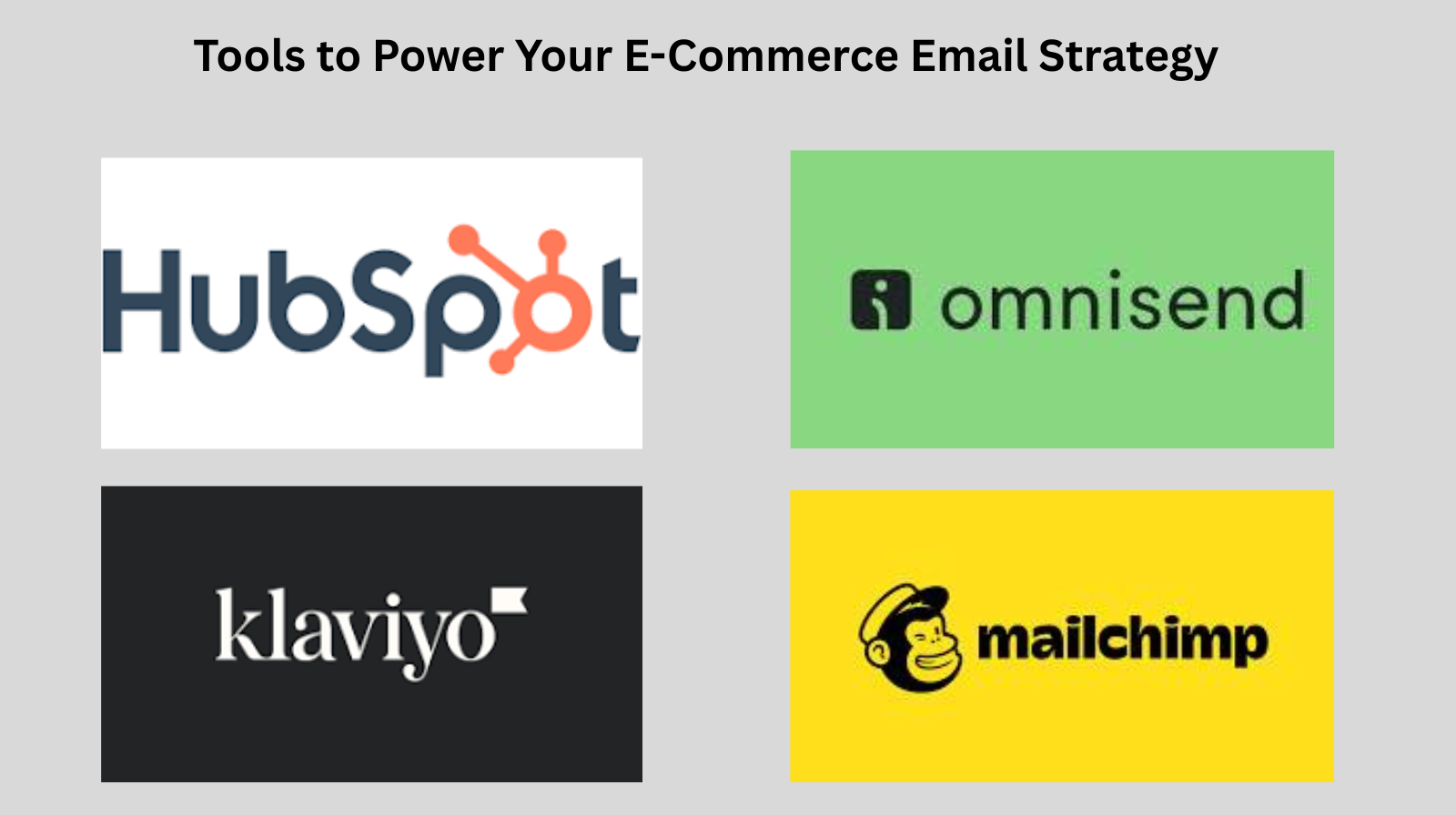
The right tools make it easier to manage, automate, and optimize your e-commerce email marketing. Each platform offers unique strengths suited to different business needs:
-
Klaviyo – Excellent for advanced automation, segmentation, and behavior-based targeting.
-
Mailchimp – Ideal for small businesses thanks to its intuitive interface and affordable plans.
-
Omnisend – Great for running multi-channel campaigns that include email, SMS, and push notifications.
-
HubSpot – Combines powerful CRM features with email automation to track and nurture leads effectively.
-
Shopify Email – Perfect for Shopify users who want a simple, built-in solution to send branded campaigns directly from their store.
Using these tools strategically helps streamline your workflow, boost personalization, and improve overall campaign performance.
Final Thoughts — Start Strengthening Your Customer Relationships
Mastering e-commerce email marketing is one of the most effective ways to boost repeat sales and build lasting customer relationships.
Moreover, by focusing on segmentation, personalization, and consistent value, your emails can turn one-time buyers into loyal brand advocates.
In addition, start small — launch one targeted campaign, track your results, and refine your approach based on performance insights. As a result, these steady improvements will strengthen retention, increase lifetime customer value, and drive sustainable growth.
Ultimately, when you apply the right strategies and tools, your e-commerce brand will stand out and maintain meaningful connections with customers. Partnering with expert e-commerce services ensures your store is fully optimized, from seamless shopping experiences to effective sales-driving strategies.
CTA:
Start applying these proven email marketing for e-commerce strategies today to increase customer loyalty and drive repeat sales.
Frequently Asked Questions
How often should e-commerce brands send marketing emails?
Send one to three emails per week to stay consistent without overwhelming subscribers.
What’s the best time to send emails to online shoppers?
Midweek mornings or early evenings often yield the highest open rates.
How can automation improve email marketing for e-commerce?
Automation ensures timely, personalized emails that increase engagement and conversions.
What are examples of effective post-purchase emails?
Thank-you messages, review requests, and product care tips encourage repeat purchases.